

 English (US)
 Deutsch (DE)
 English (CA)
 English (GB)
 Español (ES)
 Français (FR)
 Italiano (IT)
 Português (PT)
BestQool
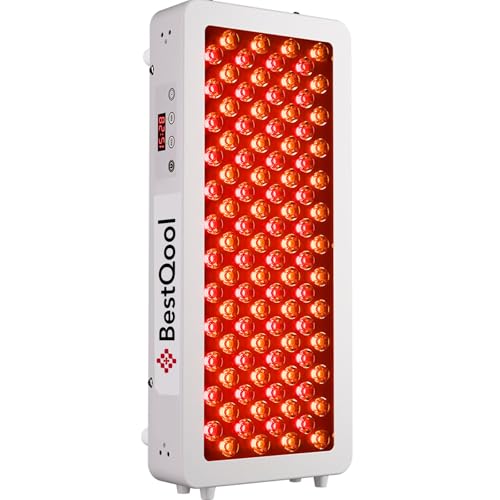
BestQool 4-Wavelength Panel
Biohacking & Longevity
Our verdict
Four wavelengths rather than the usual two, which widens the spread at the cost of a higher price.
In stock · Last verified: 2026-08-28
We send you to Amazon and open your local store. A specific product may not be available in every country — if not, Amazon shows you a similar option.
Best for
- People who want more than the standard pair
- Experimenting with different wavelengths
- Buyers upgrading from a basic panel
Not ideal for
- First-time buyers on a budget
- Anyone wanting the simplest option
Pros
- Four wavelengths in one panel
- Avoids buying separate devices
- Well-rated build from a known category brand
- Flexible for experimenting
Cons
- Costs more than a two-wavelength panel
- Extra wavelengths may not matter to you
- More options means more to get wrong
Key specifications
| Wavelengths | 4 different |
|---|---|
| Type | Panel |
| Power | Mains cable |
| Best use | Wider experimentation |
| Complexity | Higher than basic panels |
Alternatives
Hooga · Hooga 660nm/850nm Panel
Combines 660nm and 850nm in one panel, the usual starting point.
Comparison →View full analysis
Why we recommend it
Most panels do 660nm and 850nm. This BestQool adds two more, which gives you a broader range in a single device rather than buying separate units. Whether the extra wavelengths matter to you depends entirely on what you're trying to do and how much you trust the still-developing evidence base, and we'd rather say that plainly than imply the wider spread is automatically better. What is certain is that you're paying more for optionality you may not use.
Buying advice
Only worth the premium if you have a specific reason to want the extra wavelengths. If you're starting out, a 660/850 panel costs less and covers what most people use. Read the manufacturer's distance and duration guidance rather than improvising.
Frequently asked questions
- Are four wavelengths better than two?
- Not automatically. It gives you more range to work with; whether that helps depends on your goal and the evidence, which is still developing.
- Is it worth the extra cost?
- Only if you know which additional wavelengths you want and why. Otherwise the standard pair is the sensible buy.
- Can I use it every day?
- Follow the manufacturer's guidance on frequency and distance. More is not automatically better.